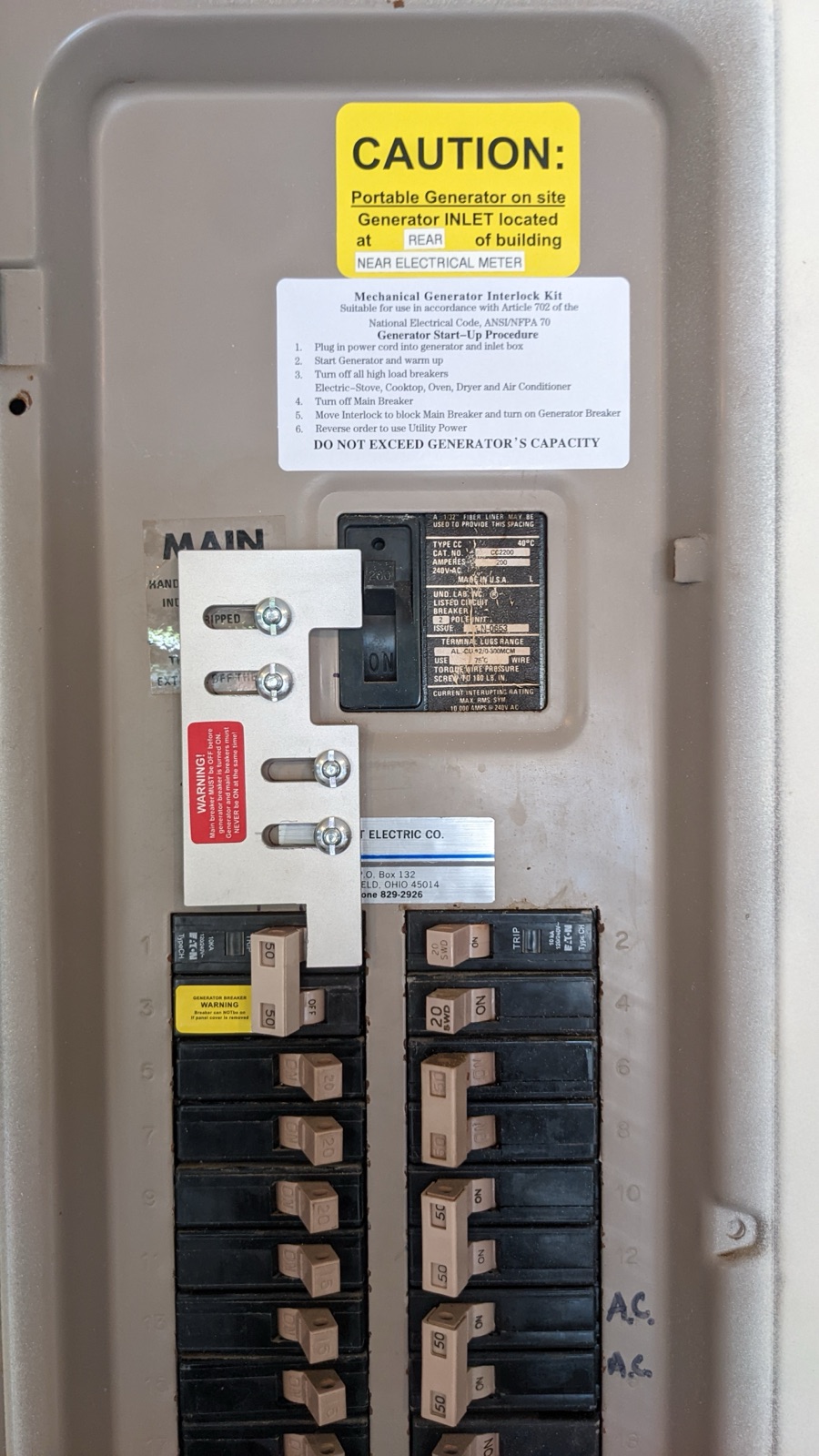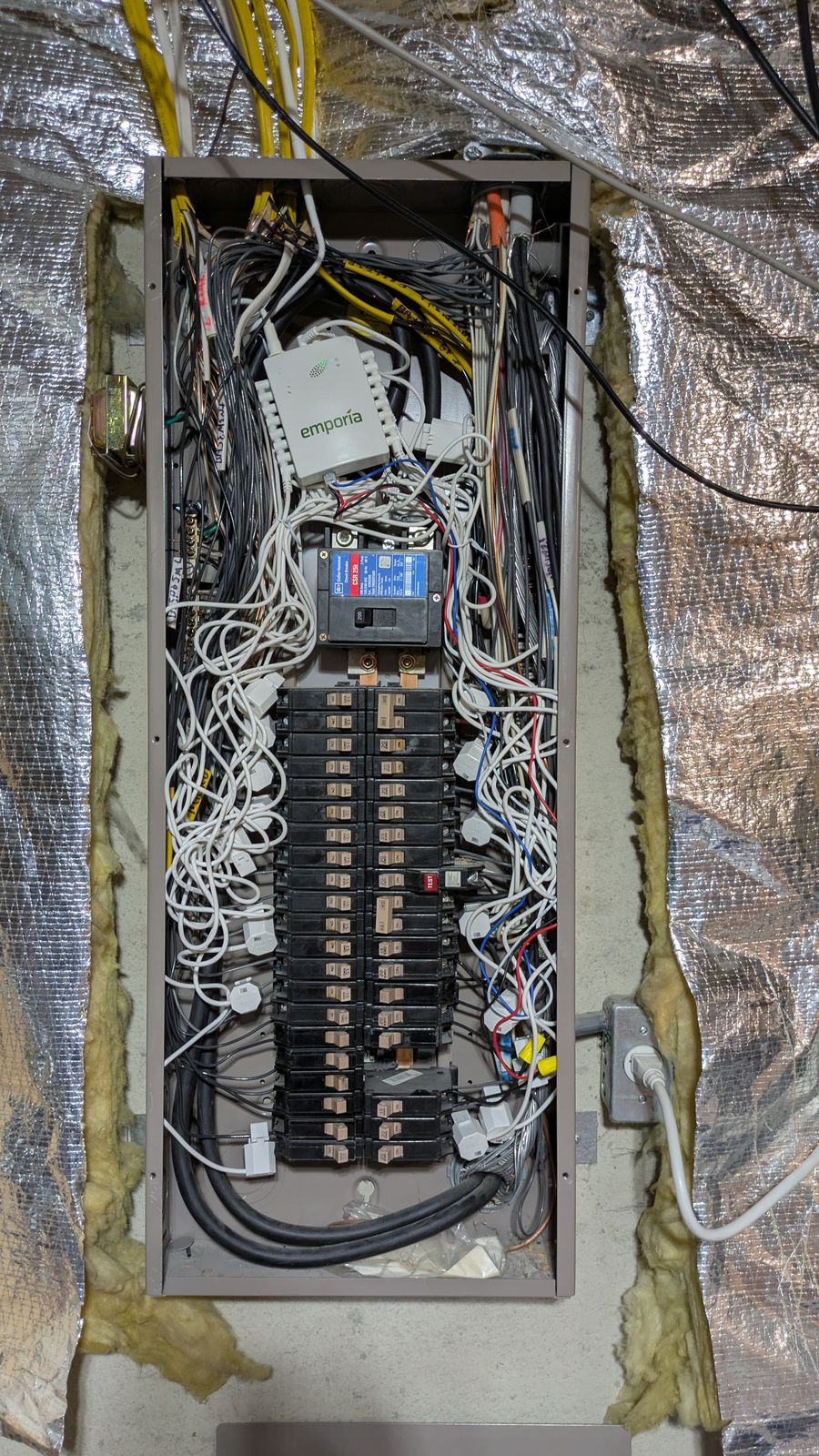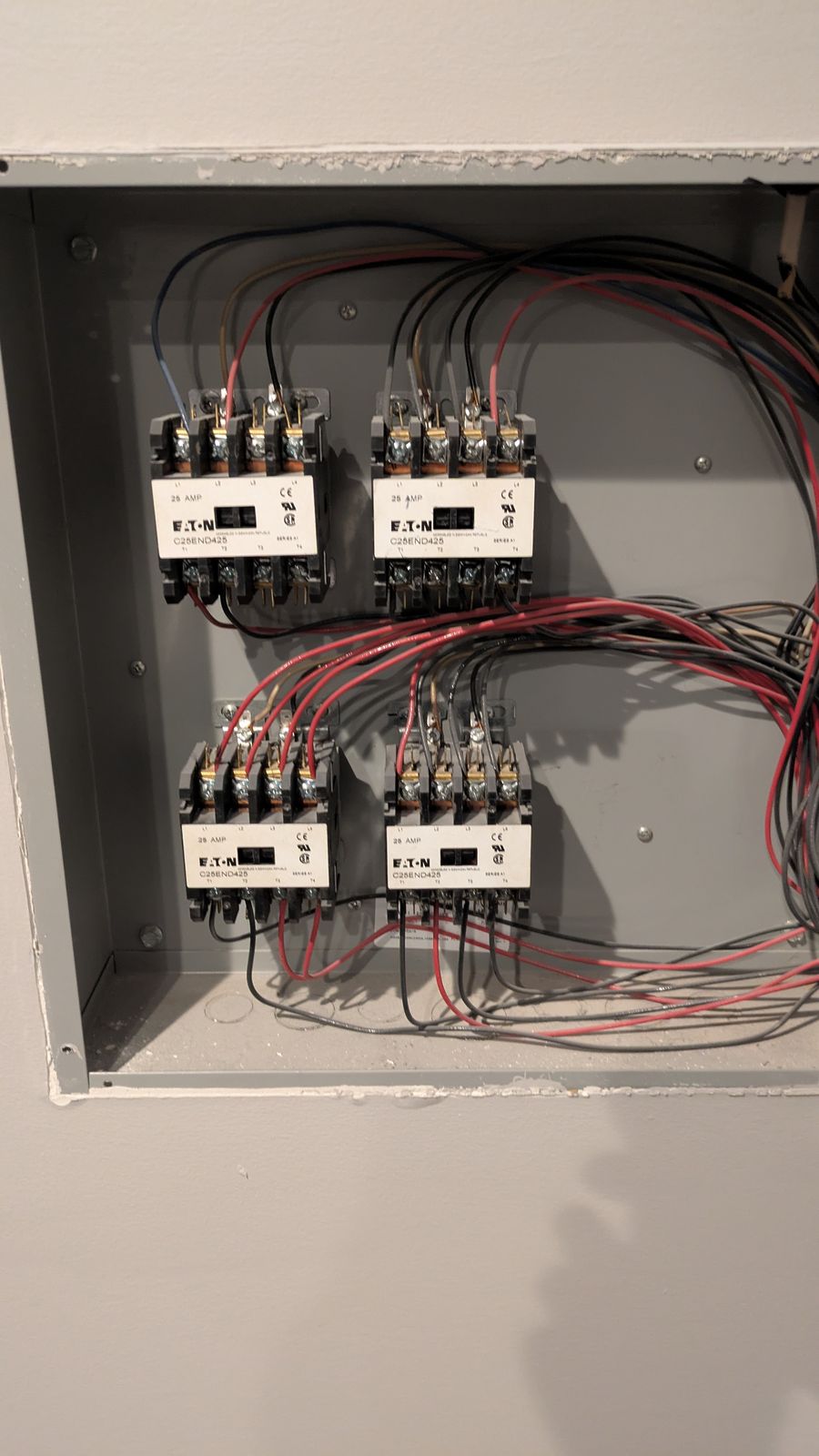
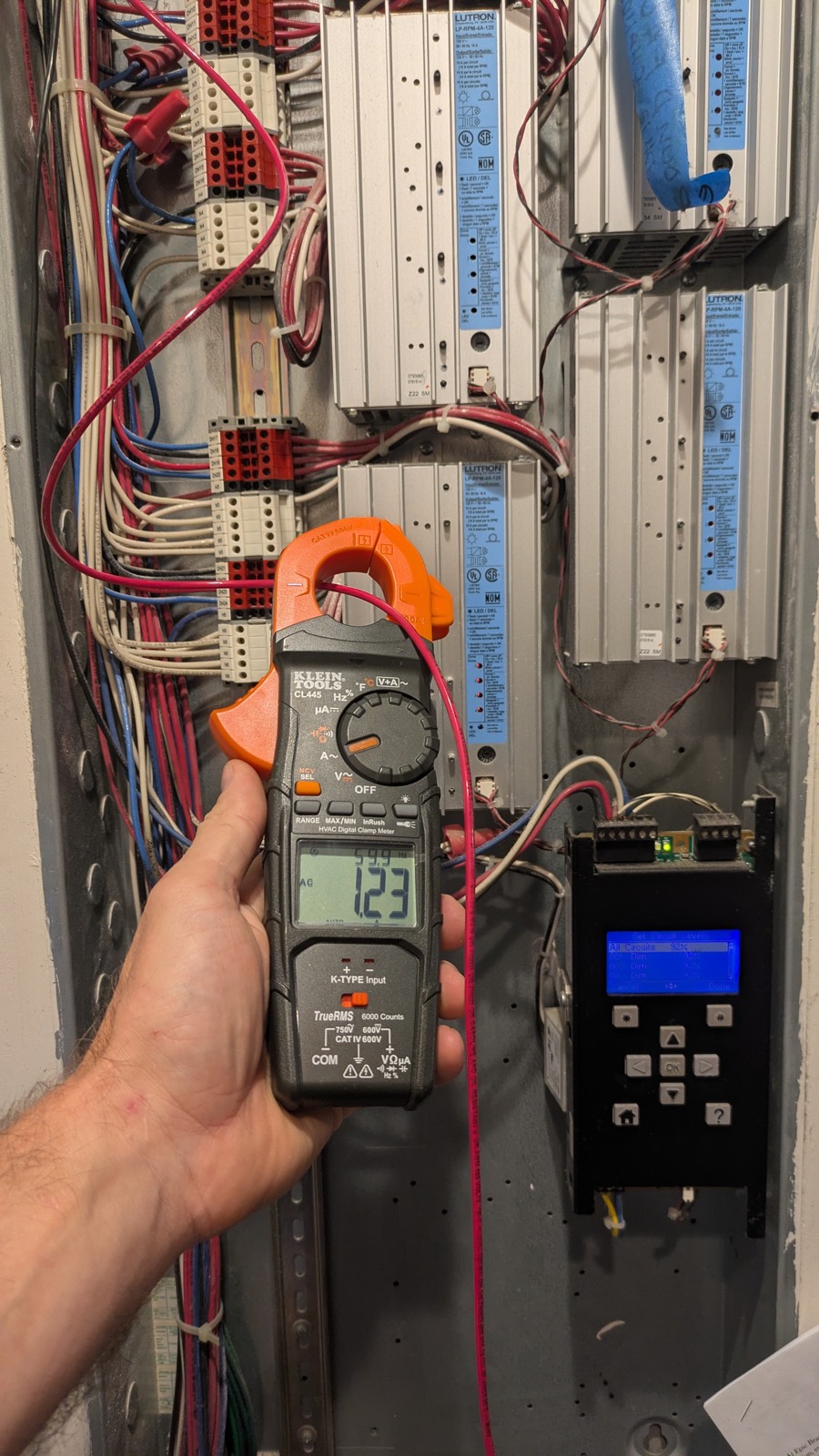
A panel is the heart of the system. It ages.
Your panel takes the incoming service and splits it into the circuits that feed the whole house. When it is undersized for how you live now, or it is an older design that has not aged well, the warning signs show up long before anything dramatic happens. Catching them early is the entire point.
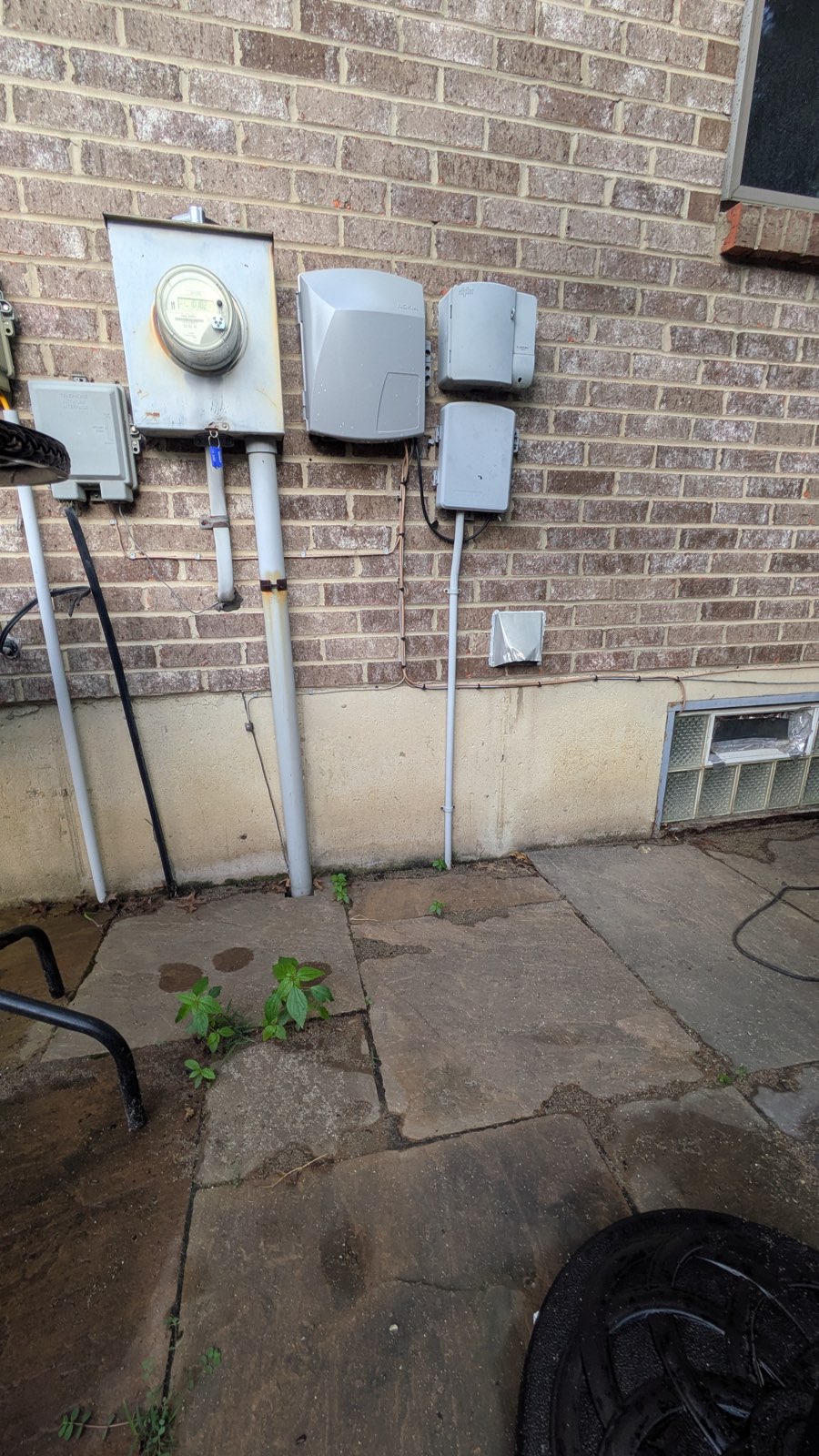
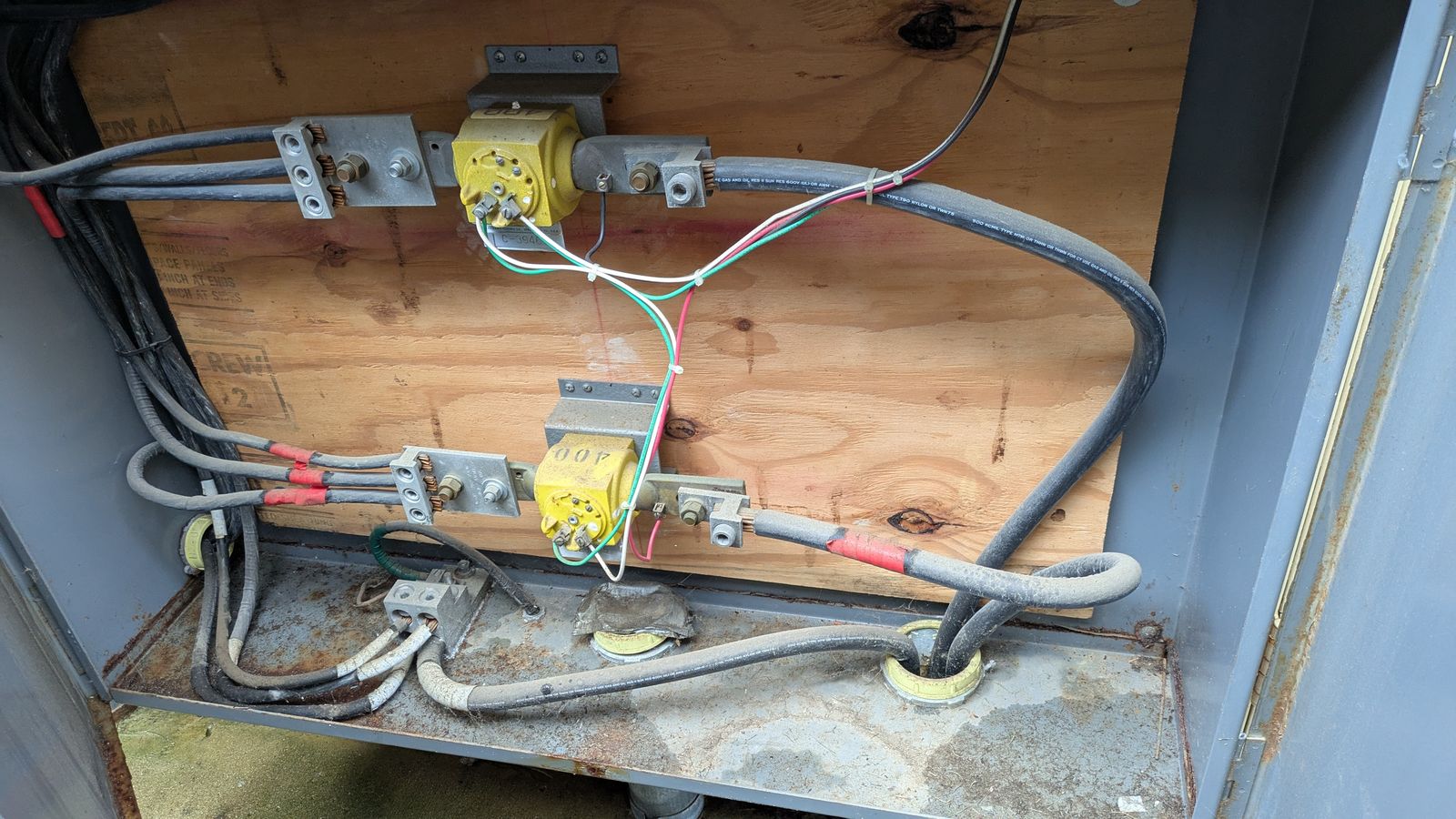
It starts at the meter.
The ceiling on what your home can draw is set outside, at the meter and service equipment, long before it reaches the panel inside. That is why a full panel and an undersized service are two different problems with two different fixes. We look at both before telling you which one you actually have.
Breakers that trip under normal use
If the microwave and the air conditioner cannot run at the same time, or a breaker resets every time the space heater kicks on, the panel is telling you it is out of room. That is not something to keep resetting. It is a sign the service needs more capacity.
A full panel with no open spaces
Every slot filled, or double-tapped breakers squeezing two circuits into one, means there is nowhere to add the next thing you need. A larger panel or a sub-panel restores the room to grow without crowding the existing circuits.
An older or obsolete panel
Some panel brands from decades past are widely recognized as problem designs, and replacement parts for them can be hard to find or unsafe to reuse. If yours is one of them, a master electrician will evaluate it and explain your options plainly, without pressure.
You are adding a big new load
An EV charger, a heat pump, an induction range, or a hot tub each draw serious current. Before adding one, we run a load calculation to confirm the panel can carry it, and scope an upgrade if it cannot, so the new load is added safely.