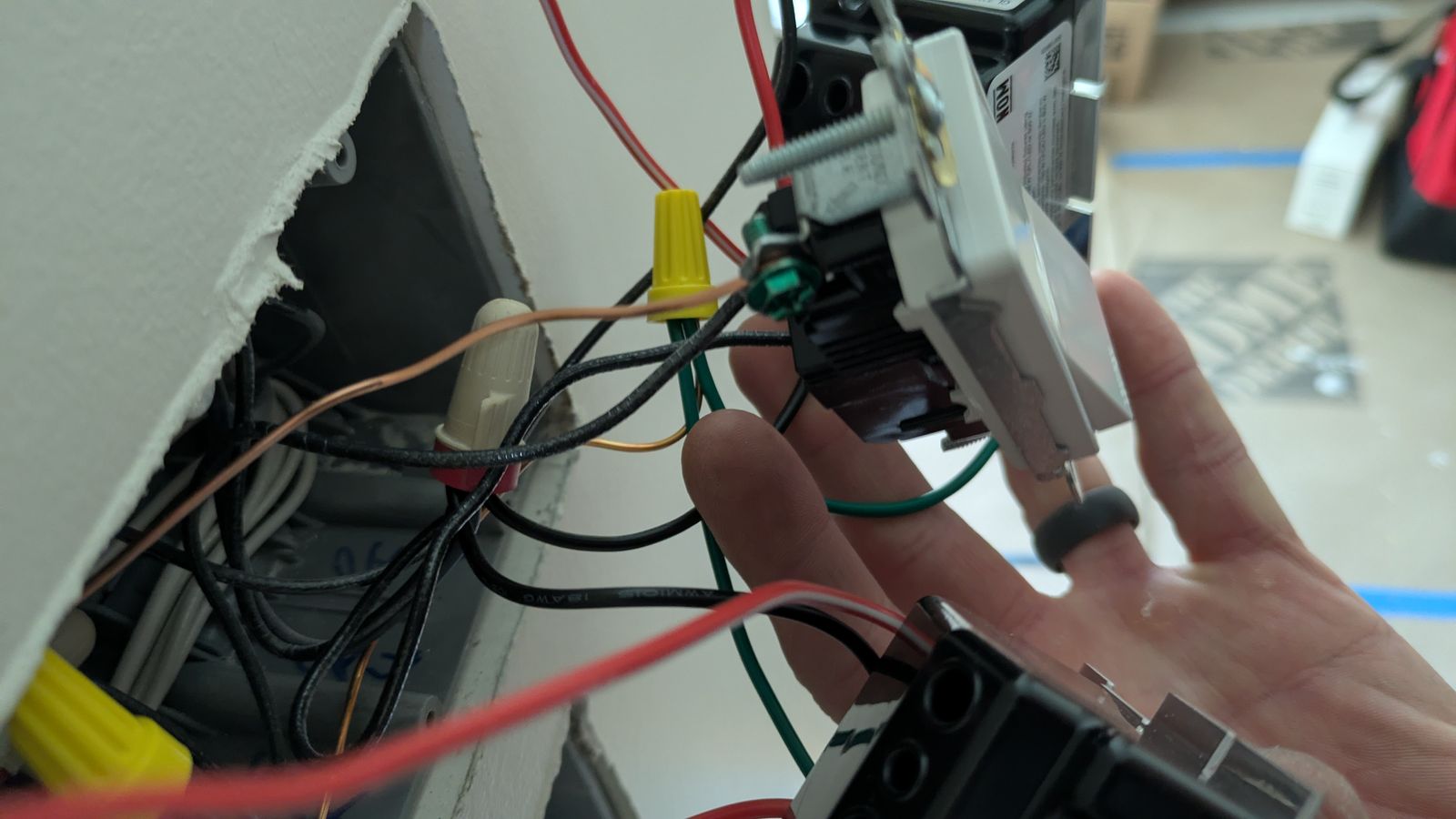
Electrician wiring a receptacle in a device box during a Benrishi Electrical service visit
Outlet Installation

A new outlet, done right.

New receptacles, dedicated circuits, GFCI protection, and weatherproof exterior outlets, installed by a licensed and insured Ohio electrical contractor who treats every connection like it matters. Because a loose one is where trouble starts.

Serving West Chester · Liberty · Mason · Hamilton · Fairfield

★★★★★5.0 · 165 Google reviews
Veteran-owned & operated
Licensed & insured Ohio electrical contractor
Request a quote

Tell us about the outlet you need.

Tell us where you want it, what you plan to plug in, and whether there is an existing outlet nearby. We typically respond the same business day.

Or call/text us directlyCall or text · 513-813-7988

We typically respond within a few hours during business hours. No spam, no follow-up sequences, just a direct reply from the team.

5.0 ★165 Google Reviews
Licensed & InsuredOhio Electrical Contractor
Veteran-Owned& Operated
2019Serving SW Ohio
Same-DayQuote Response
Why it matters

An outlet is a connection. Connections fail.

Most of an outlet is hidden inside the wall, so the part you never see is the part that matters. A receptacle wired in a hurry, pushed onto the flimsy push-in holes on the back instead of clamped under its screws, will work fine for a while. Then it heats, loosens, and starts to char. Careful terminations are the whole job.
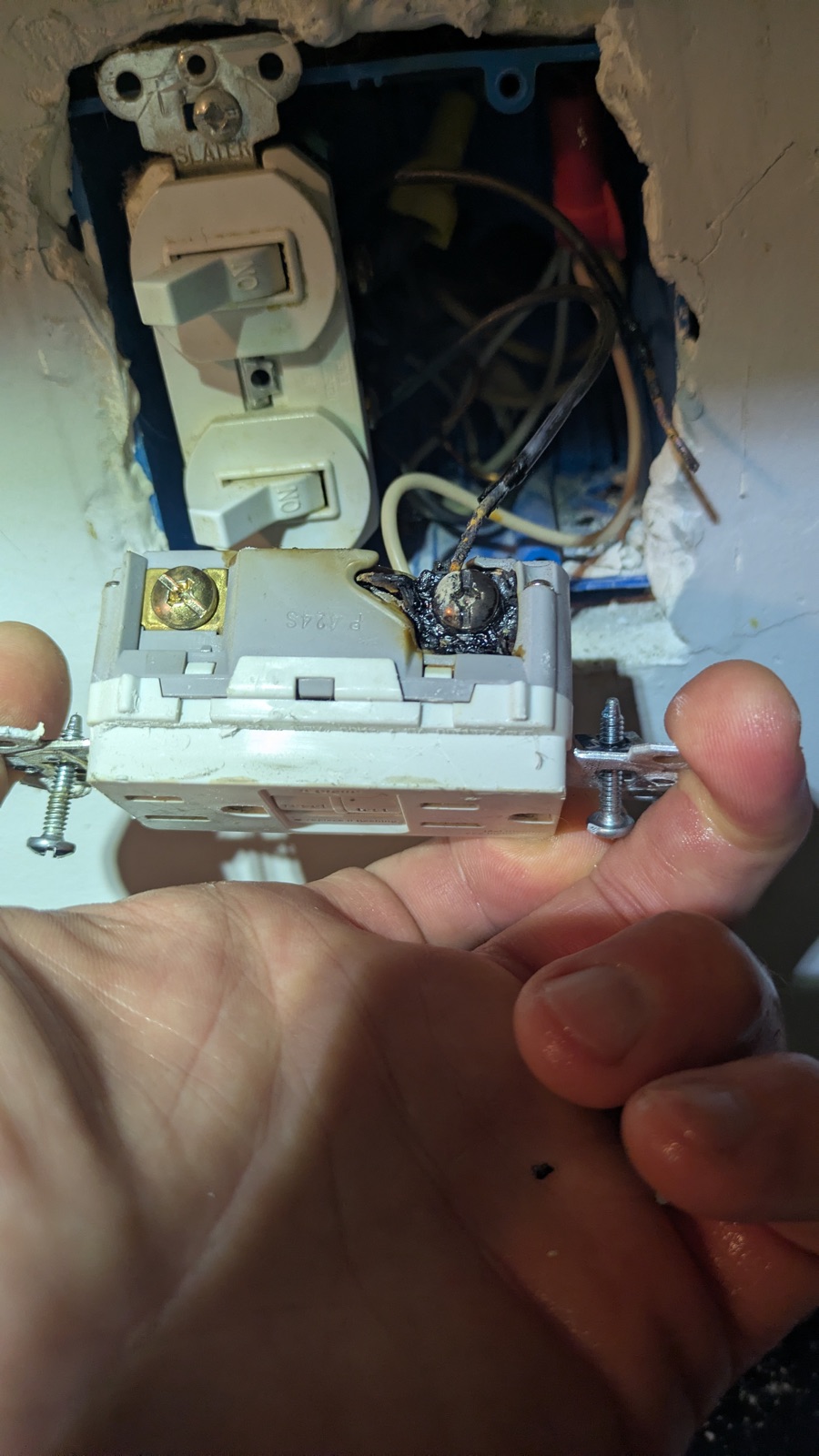
A burned and heat-damaged receptacle, the result of a loose or overloaded connection
What a bad connection becomes

This is where a loose termination ends up.

A poor connection has resistance, resistance makes heat, and heat slowly cooks the device until it fails. It happens quietly behind the cover plate. Solid, screw-terminated connections and the right device for the load are what keep an outlet boring, which is exactly what an outlet should be.

01

New circuit or extend an existing one

Sometimes a new outlet can tap a nearby circuit that has room to spare. Sometimes the honest answer is a new dedicated circuit run back to the panel, so a space heater or window unit is not sharing with half the room. We tell you which one your situation actually needs.

02

The right device for the spot

Kitchen counter, bathroom, garage, basement, laundry, or outdoors each have their own requirements. That means GFCI protection where the code calls for it, tamper-resistant receptacles in living spaces, and weather-resistant devices outside. We match the device to the location, not to whatever was on the truck.

03

Terminations that last

Conductors land under the screw terminals and are tightened to the device maker's spec, never jammed into the push-in holes that loosen over time. Boxes are sized for the wires inside them, and everything is left neat enough that the next person to open the cover can see the work was done with care.

04

Clean finish work

We fish wire through finished walls, keep cutouts small, and leave the cover plate flush and level. If your panel is already full and there is no room for the new circuit, we will tell you plainly and can scope a panel upgrade so the work is done once and done right.
GFCI protection

Where a plain outlet is not enough.

A GFCI outlet watches the current flowing out and back, and cuts power in a fraction of a second if any of it starts leaking to ground, which is what happens when electricity finds a path through water or through a person. Anywhere water and receptacles share a room, the code requires that protection.

Indoors

Kitchens, baths, laundry, basements

  • Kitchen counter receptacles
  • Bathrooms, near every sink
  • Laundry areas and utility sinks
  • Unfinished basements and crawl spaces
  • Garages and workshop spaces

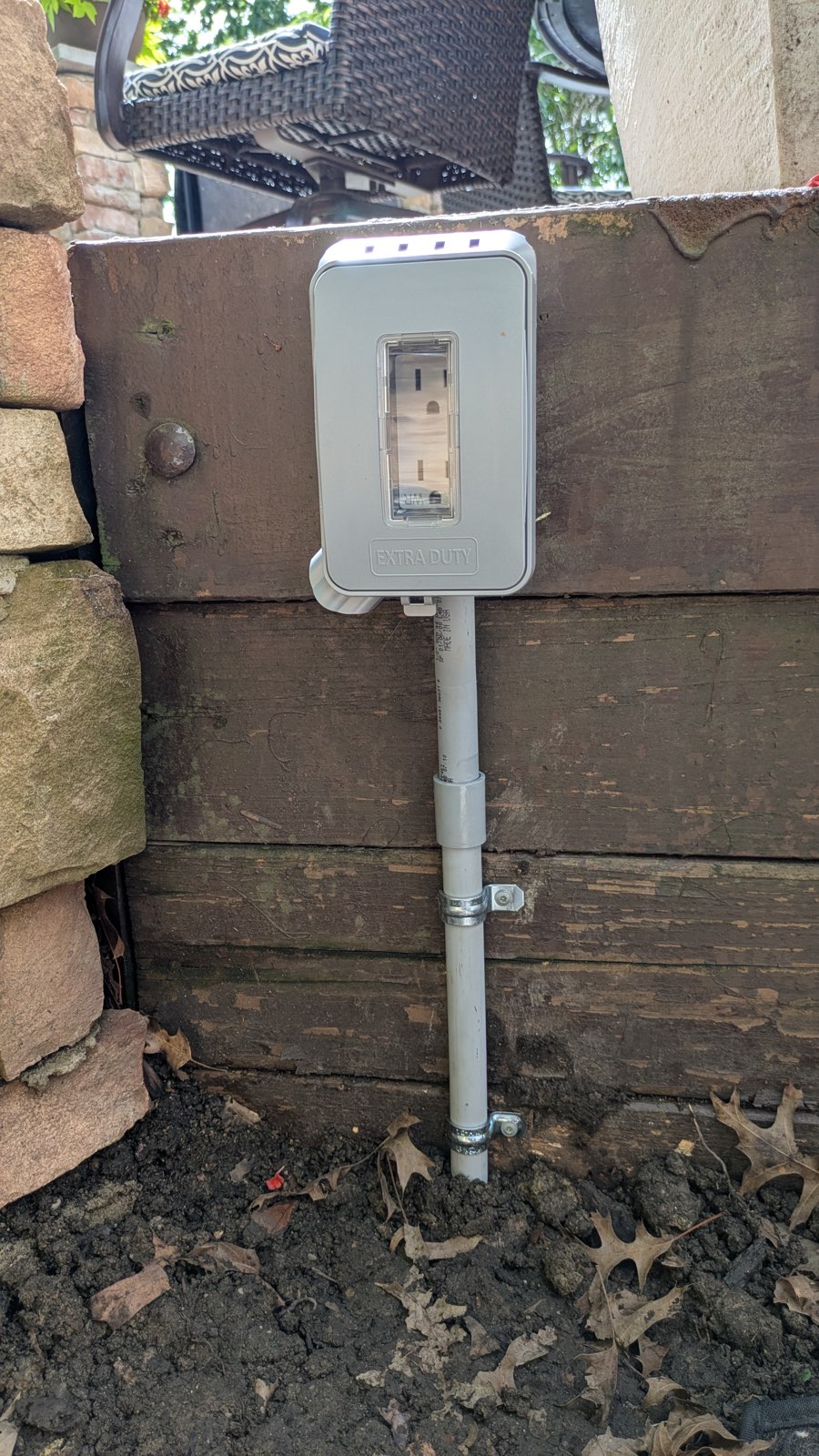
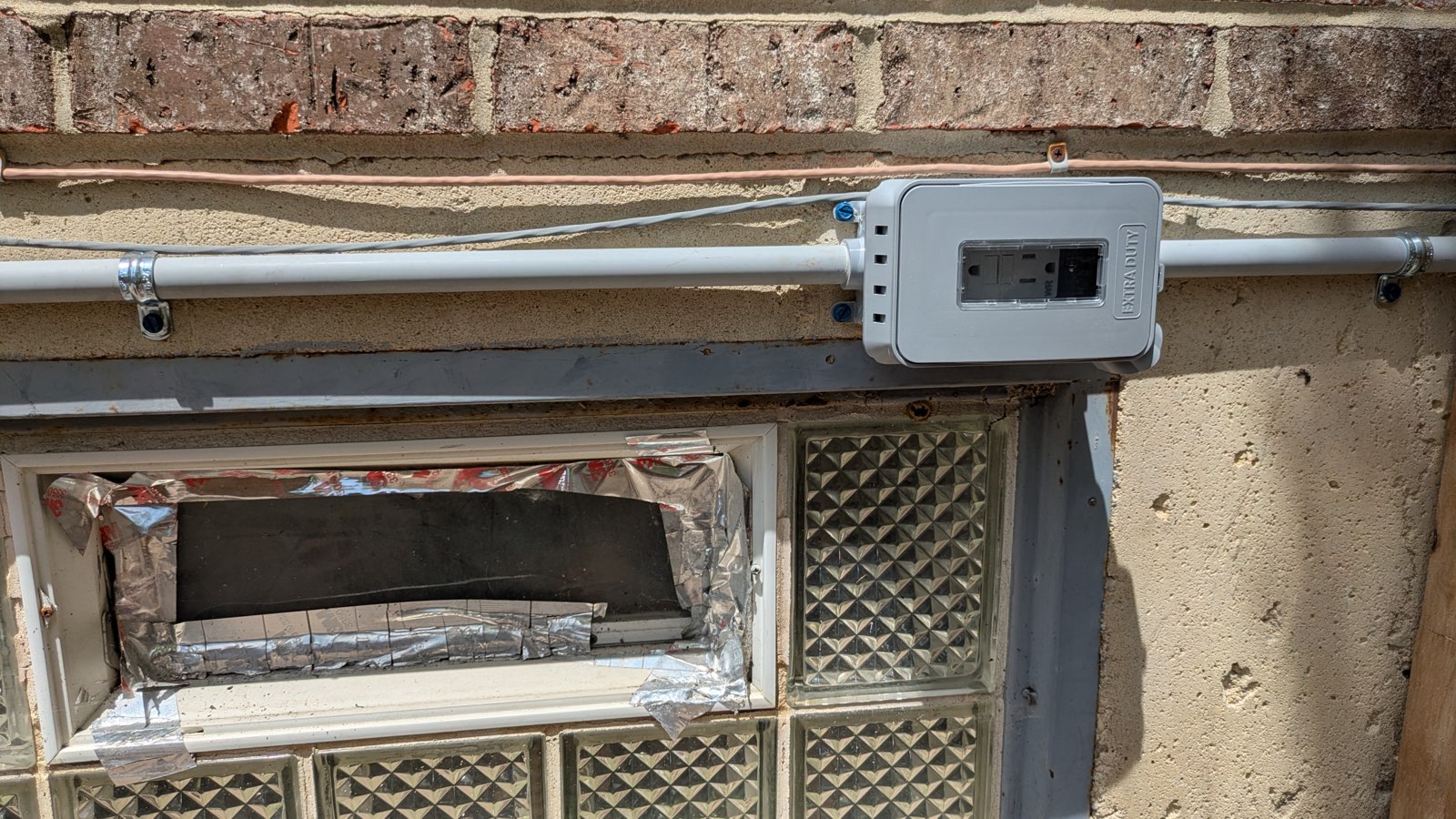
That in-use cover matters more than it looks. A thin flip lid only closes over an empty outlet, so the moment you plug in a holiday light or a trickle charger, it props open and leaves the receptacle exposed to rain and snow. A deep bubble cover stays closed over the plug, which is what keeps an outdoor outlet safe the rest of the year.

Recent work

Real outlets. Real installs.

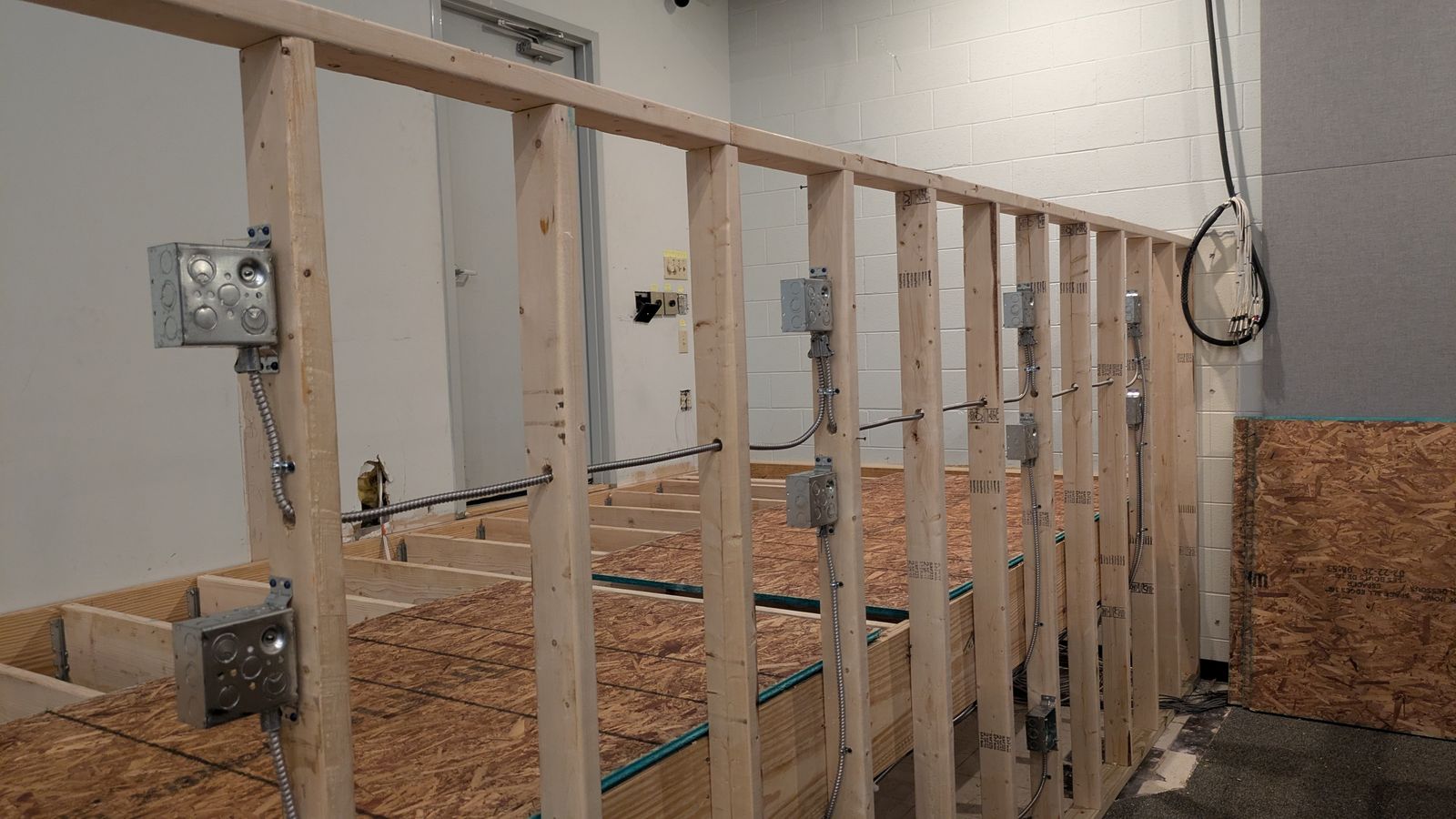
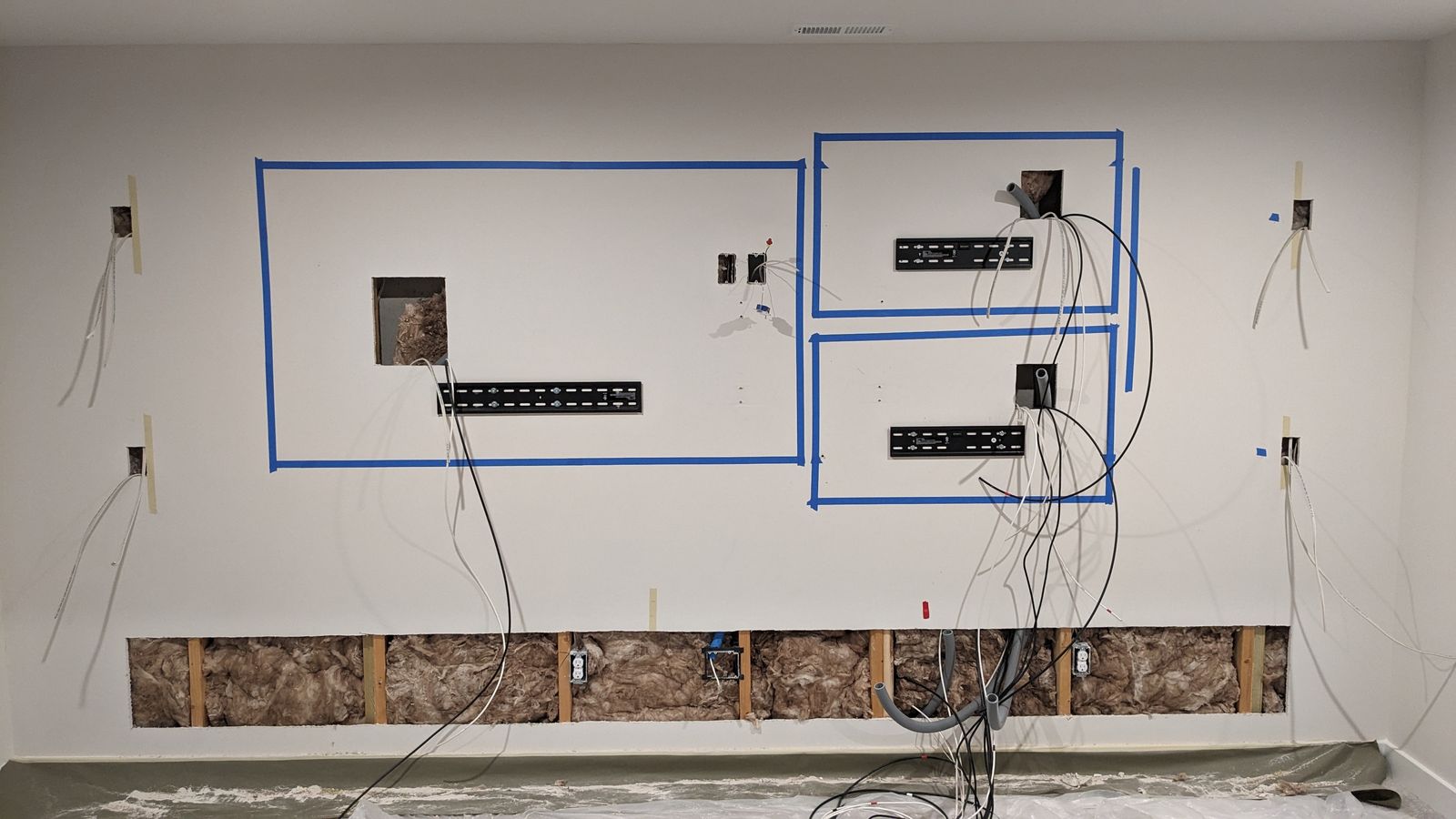
A few receptacle and device installs from around the Cincinnati area. Every photo here is our own work, never stock.

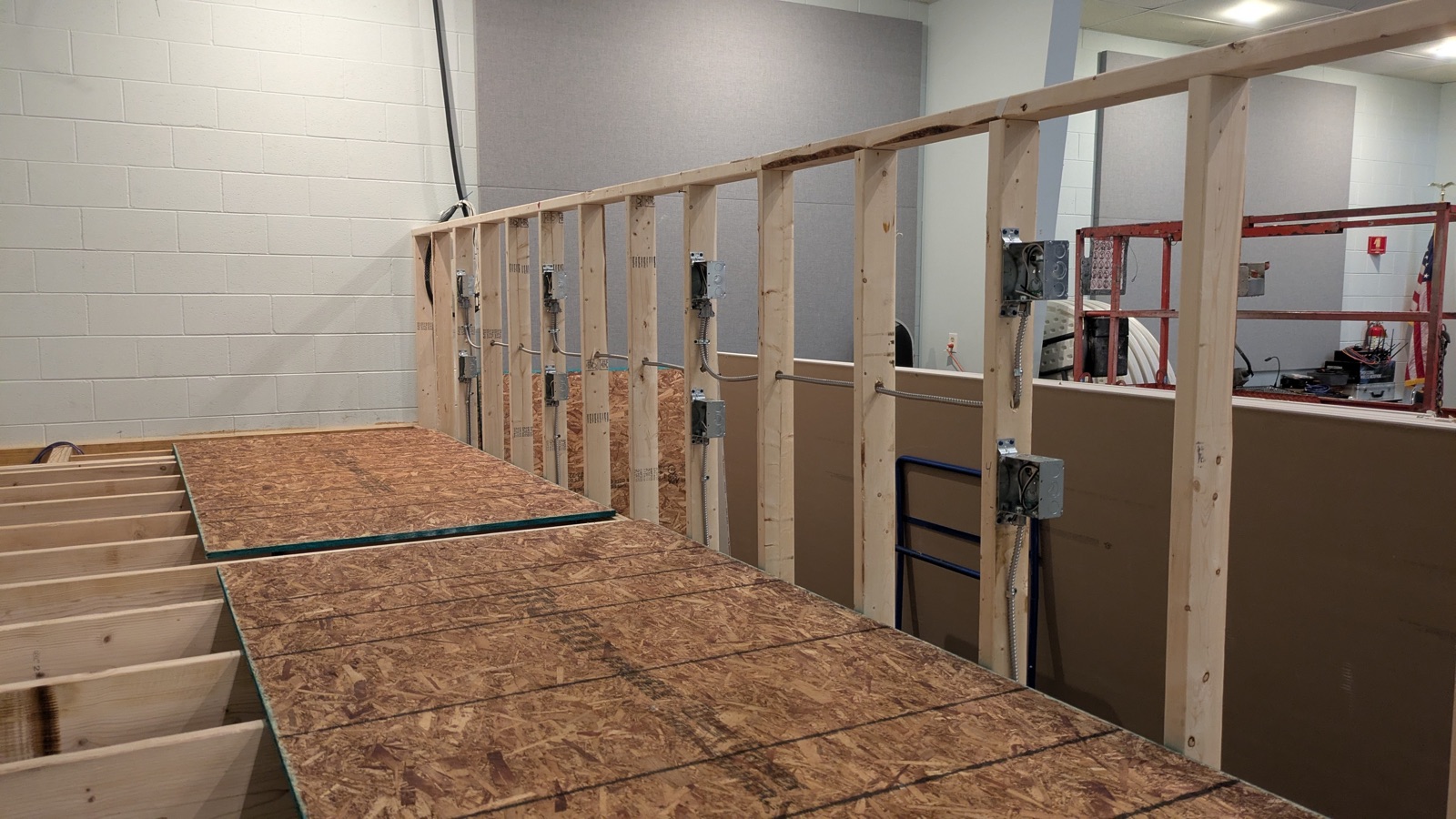
Device boxes wired and prepared for receptacles during a Benrishi Electrical install
The work, up close

It is all in the terminations.

The difference between an outlet that lasts thirty years and one that fails in three is entirely in how the wires are landed. We take the extra minute on every device, because that minute is what keeps a connection cool and quiet for the life of the home.

  • Screw terminals Conductors clamped under the screws, not push-in holes
  • To spec Tightened to the device maker's torque value
  • Right box fill Boxes sized for the wires inside them
  • Grounded Every receptacle properly bonded and tested
The process

What a visit actually looks like.

Adding an outlet sounds small, and often it is. Here is what to expect from the first call to a finished, tested receptacle.

01

Tell us what you need

Call or text and describe where you want the outlet and what you plan to run from it. A photo of the spot and of your panel helps a lot. Many outlet jobs can be quoted right over the phone.

02

Confirm the circuit

We check whether a nearby circuit has room for the new outlet or whether the load calls for a dedicated circuit back to the panel. If the panel is full, we say so and lay out the options before any work starts.

03

Install day

We fish the wire, set the box, land the terminations to spec, and install the right device for the location, GFCI or weather-resistant where it belongs. Cutouts stay small and the work area is left clean.

04

Test and walk through

Every receptacle is tested for correct wiring and ground before we call it done. We show you the finished work and how the GFCI test and reset buttons work. Anything not right, we come back.

Common questions

Things homeowners actually ask.

Can you just add an outlet to a circuit I already have?

Often, yes. If a nearby circuit has capacity to spare and the run is reasonable, extending it is the simple path. What decides it is the load. A general-use receptacle for a lamp or a phone charger is very different from a spot for a space heater or a window air conditioner, which usually wants its own dedicated circuit. We look at what you plan to plug in and tell you which approach your situation actually needs.

When do I need a GFCI outlet instead of a regular one?

Anywhere water is nearby. Kitchens, bathrooms, laundry areas, garages, unfinished basements, crawl spaces, and every outdoor receptacle all call for GFCI protection under current code. A GFCI trips the instant it senses current leaking to ground, which is what protects you if a tool or appliance faults near water. We install the protected device wherever the location requires it.

My outdoor outlet cover cracked. Does the type matter?

It matters a lot. A thin flip-style lid only closes when nothing is plugged in, so as soon as you run a cord it props open and the receptacle is exposed to the weather. A deep bubble-style in-use cover stays closed over the plug, keeping rain and snow out while a cord is connected. On exterior work we install the in-use cover and a weather-resistant, GFCI-protected device as a set.

Why does my new outlet need its own circuit?

Some appliances pull enough current that sharing a circuit means nuisance trips or an overloaded wire. A dedicated circuit runs from the panel to that one outlet, so it carries the full load on its own. We size the wire and breaker for what the outlet will actually serve, whether that is a workshop tool, a treadmill, or a kitchen appliance.

Can you add outlets in a room without tearing up the walls?

Usually. We fish wire through finished walls and keep any access cutouts as small as possible, patched neatly if one is needed. How clean it goes depends on what is above and below the wall, attic, basement, or crawl space access, and we walk you through what to expect before we start.

What if my panel is already full?

It happens, especially in older homes. If there is no room for a new circuit, we will tell you plainly rather than force it. In many cases a panel upgrade or a sub-panel opens up the space you need, and we can scope that alongside the outlet so the work is planned as one job.

Need an outlet where you don't have one?

Call or text. We will quote most outlet jobs over the phone and get you on the schedule.

Call Benrishi Now
Or dial directly
513-813-7988

Where we work

Benrishi Electrical serves five Cincinnati-area cities from our West Chester base. We focus our work here so we can stay responsive and accountable to the customers we serve.

West Chester
Liberty
Mason
Hamilton
Fairfield
📞 Call or text · 513-813-7988