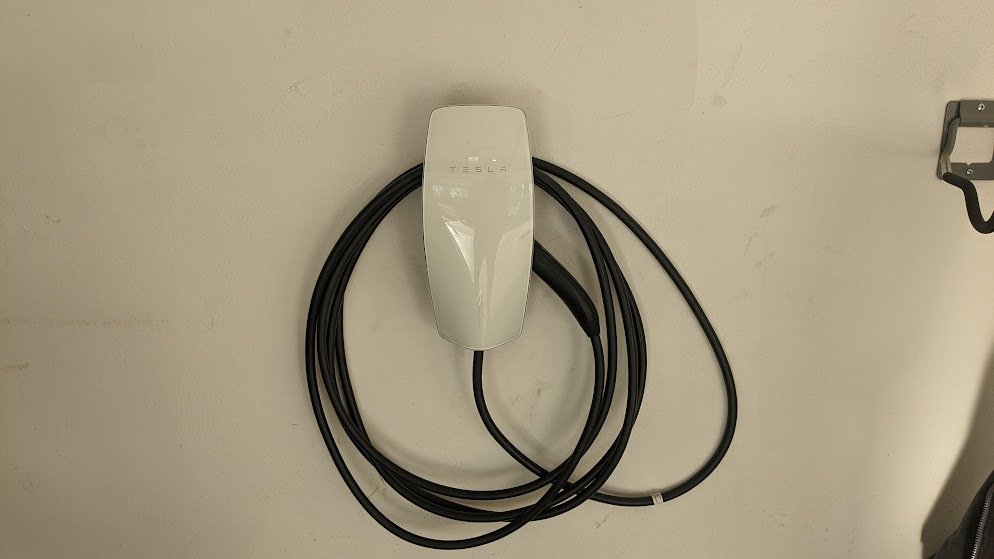
Tesla Wall Connector installed by Benrishi Electrical in a West Chester garage
EV Charger Installation

Charge at home. Done right.

Tesla Wall Connector. ChargePoint. Rivian. Ford. Audi. Universal J1772. Installed by a Licensed Ohio Electrical Contractor who treats every termination, every torque value, and every detail like the warranty depends on it. Because it does.

Serving West Chester · Liberty · Mason · Hamilton · Fairfield

★★★★★ 5.0 · 160+ Google reviews
Veteran-owned & operated
Licensed Ohio Electrical Contractor
Request a quote

Tell us about your EV install.

Tell us about your vehicle, your panel, and where you'd like the charger. We typically respond same business day.

Or call/text us directly Call or text · 513-813-7988

We typically respond within a few hours during business hours. No spam, no follow-up sequences — just a direct reply from the team.

5.0 ★ 160+ Google Reviews
OH #50832 Electrical Contractor
#50832 Ohio Contractor
2019 Founded
Veteran-Owned& Operated
Why Benrishi

You've heard the horror stories. Seen the photos.

Melted NEMA 14-50 receptacles. Loose terminations that arc, then char, then fail. DIY installs and bargain-bin contractors leave a trail of these on social media every week. Our installs do not appear in those photos — because the details actually matter.

Burned and arced breaker contact removed from a residential panel by Benrishi Electrical — example of failed under-rated hardware
Exhibit A

This breaker came out of a panel we serviced.

Loose connection, sustained current, thermal failure. By the time the homeowner smelled it, the contact had already welded itself to the bus. Premium hardware, proper torque, and an actual load calculation prevent this. Bargain bin parts and shortcuts cause it.

01

Engineering-grade load analysis

As a licensed Ohio electrical contractor and an electrical engineer, we calculate your present and future load before we install — verifying your 100A or 200A service can support the charger without overloading, or scoping a panel upgrade if it can't. No guesswork.

02

Premium hardware standard

We use only industrial-rated NEMA 14-50 receptacles for cord-and-plug installs — not the bargain-bin receptacles that melt under continuous load. Fasteners torqued to manufacturer spec with calibrated tools. The kind of craftsmanship that comes from countless repetitions and zero corners cut.

03

Hardware-agnostic

Tesla Wall Connector, ChargePoint, Rivian, Ford Charge Station Pro, Wallbox, Emporia, Grizzl-E, Audi e-tron, universal J1772 — we install them all. No vendor lock-in. We'll help you pick the right unit for your vehicle and your wiring before you buy.

04

Clean finish work

Through walls, across garages, around finished basements, mounted on outdoor building facades, or set on free-standing outdoor pedestals — we route conduit and wire like the home is ours. Whip, mount, terminations, labeling. The kind of install you'd photograph, not hide behind a coil of slack.

Charger Levels

Hardwired or plug-in? Here's the difference.

Almost no one calls us for Level 1 — the trickle from a standard outlet that frustrated them into upgrading. And residential homes do not have the 480V three-phase needed for DC Fast Charging. So the real question is plug-in NEMA 14-50, or hardwired. Both are Level 2. They differ in current capacity, install cost, and serviceability.

Plug-In

NEMA 14-50 Receptacle

Up to 40A continuous · ~32 miles/hour

  • Charger plugs into a dedicated receptacle
  • Industrial-rated outlet, properly torqued
  • Charger is removable for transport
  • Capped at 40A continuous per code
Recent installs

Every major brand. Every connector type.

Tesla, Ford, Audi, Volvo, ChargePoint, Wallbox, Emporia — installed across Cincinnati-area homes. Below are six recent jobs from our shared photo album.

From prep to finished

A Ford install, up close.

Hardwired chargers move serious current — 48 to 80 amps continuous. That means massive conductors and perfect terminations. No standard residential-rated cable is going to handle this. Only conductors in conduit, MC cable assemblies, or TC-ER-JP rated for the run. Same job, two photos.

Prep
EV charger receptacle being torqued and prepped before final mount
Finished
Ford EV charger mounted and complete on the same wall

A hardwired charger is only as good as the conductors feeding it. We size the wire for the actual current the charger will pull, then make sure every termination is tight to spec — because a loose connection at 48 amps continuous is how garages catch fire.

Benrishi Electrical technician torquing terminations during an Emporia EV charger installation
The work, up close

Torqued to spec. Every termination.

EV charger circuits carry 40 to 80 amps continuously. Loose terminations create resistance, resistance creates heat, and heat starts fires. Manufacturer spec for each terminal is published for a reason — and we hit it on every connection.

  • 50 lb-in Typical breaker lug torque, verified
  • #6 AWG Copper conductors for 48A continuous
  • Per spec Every charger has its own listed torque values
  • Verified Checked visually and electrically before energizing
The process

What an install actually looks like.

Most homeowners have never had a high-amperage circuit added to their home. Here's what to expect from the first phone call to a working charger on your garage wall.

01

Free phone consult & site assessment

Call us. We'll ask about your vehicle, where you want the charger, what your panel looks like, and what your typical driving day is. If we can quote you over the phone we will. If we need to come look at your panel and run, we'll schedule a no-charge visit.

02

Load calculation & quote

We perform an NEC-compliant load calc on your service to confirm your panel can carry the new circuit. If it can, you get a flat, written quote. If it can't, we'll quote the panel upgrade alongside the charger so you have one number, not surprises.

03

Install day — most jobs finished in 4–6 hours

Dedicated breaker installed in your panel. Wire pulled — through walls, across attics, under crawl spaces, whatever your home requires. Disconnect (if needed). Charger mounted, terminated, tested. Drop cloth, vacuum, walkthrough. Done.

04

Walkthrough & first charge

We walk the install with you — disconnect location, breaker labeling, how to power down for service. Then you plug in. Anything not right, we come back. That's why we have a 5.0 rating across 160+ reviews: we don't leave bad work behind us.

Common questions

Things homeowners actually ask.

Will my 100-amp or 200-amp panel support a new EV charger?

Usually yes for a 200A service, sometimes no for a 100A service. The honest answer depends on what else is in your home — central AC, electric range, electric dryer, heat pump, hot tub. We run a formal load calculation to confirm before quoting. If your existing panel won't carry it, we'll scope a service upgrade to 200A or recommend a load-management device that lets the charger share capacity with another large load.

Hardwired or plug-in (NEMA 14-50)?

Both are valid. Hardwired installs unlock the highest charging current — 48 to 80 amps continuous depending on the charger and circuit. Plug-in (NEMA 14-50) is capped at 40 amps continuous and gives you the option of unplugging and moving the charger. For high-output chargers like Tesla, Ford, and Rivian, hardwired pulls full speed. We'll tell you which makes sense for your situation.

How long does the actual install take?

Straightforward installs — panel and charger location on the same wall, no major drywall work — are usually 3–5 hours. Longer runs through finished basements, across attics, or to a detached garage take a full day. Panel upgrades add a day. We give you a realistic timeline at quote, not after the work starts.

Are there tax credits or rebates available?

The federal Section 30C credit, which covered 30% of EV charger install costs for residential installations in eligible areas, is currently set to expire June 30. After that date, plan on the install without the credit factored in. Duke Energy occasionally runs separate rebate programs. We'll let you know what's available when you call.

Can you install a charger in a detached garage or carport?

Yes. We've done plenty of detached installs — direct-burial conduit from the main panel, underground or overhead service, with proper depth and weatherproof terminations. We also install on outdoor building facades and free-standing pedestals when the situation calls for it. Routine work.

What about Tesla NACS — do I need a special connector now?

Most modern EVs from 2024 onward are shipping with NACS (Tesla connector) instead of J1772. The good news: every major Level 2 charger now ships with either NACS connectors or includes an adapter, and Tesla Wall Connectors work with adapters for non-Tesla vehicles. We'll match the connector to your fleet and any future vehicle you've got in mind.

Ready to charge at home?

Call us. We'll quote your job over the phone if we can, and schedule a no-charge site visit if we can't.

Call Benrishi Now
Or dial directly
513.813.7988

Where we install

Benrishi Electrical serves five Cincinnati-area cities from our West Chester base. We focus our work here so we can stay responsive and accountable to the customers we serve.

West Chester
Liberty
Mason
Hamilton
Fairfield
📞 Call Benrishi — (513) 813-7988